The Fatal Startup Dilemma: Skincare vs. Color Cosmetics (5-Point Check)
Now that you understand the Product Lifecycle Warning, the next essential decision is what type of product to focus on first.
To give you the conclusion first: I strongly recommend skincare for an early-stage brand’s first product.
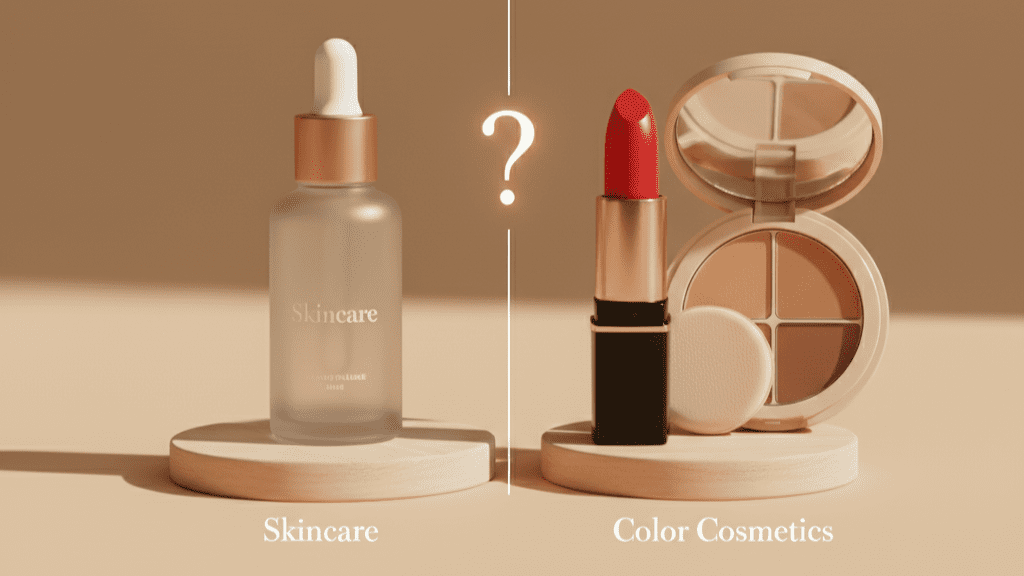
The choice between launching a skincare vs color cosmetics startup is one of the most fatal dilemmas a new founder faces. Color cosmetics (makeup) are attractive and fun, but they have several pitfalls for a founder with limited capital.
Table of Contents
The 5-Point Risk Check: Skincare vs. Color
This table quickly highlights the financial and operational risks associated with launching a skincare vs color cosmetics startup.
| Category | Skincare | Color Cosmetics |
| SKU Requirement | Can start with a single SKU (e.g., 1 cream) | Multiple SKUs are essential (e.g., 10 foundation shades) |
| Initial Cost | Relatively Low (MOQ for 1 product) | Relatively Very High (MOQ applies to each shade) |
| Global Scalability | Easy (Skin concerns are universal) | Difficult (Color preferences & regulations differ by race/culture) |
| Repurchase Cycle | Comparatively short and steady | Comparatively long (to use up one lipstick) |
| Regulation Risk | Lower (Non-OTC drugs) | Higher (Color pigments are strictly regulated) |
The math is clear: launching a skincare vs color cosmetics startup as your first endeavor multiplies your initial capital needs by 5x or 10x due to the SKU requirement alone.
Product Planning for Your Distribution Channel
Your product’s characteristics should change depending on where it will primarily meet your customers.
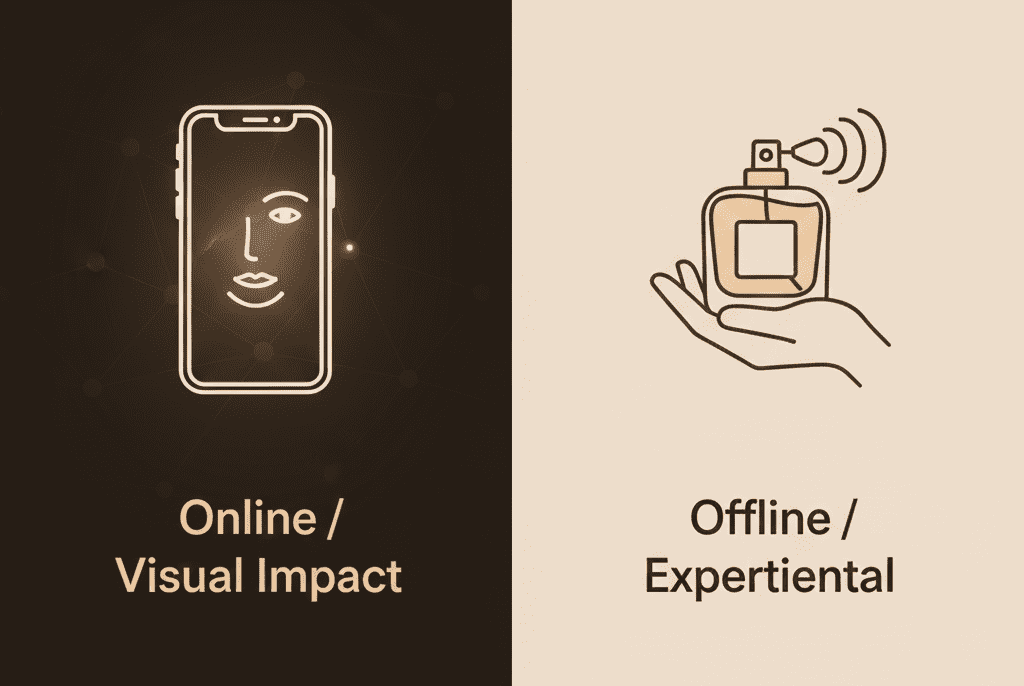
- If distribution is Online-focused (DTC, Amazon): Products that are visually impactful are advantageous.
- Products with clear Before & After results (e.g., blackhead removal).
- Products that are fun to use (e.g., unique, stringy textures—like the COSRX Snail Mucin).
- If distribution is Offline-focused (Retail, Pop-ups):“Experiential” products that stimulate the customer’s five senses are effective.
- Products with a very memorable scent (like Lush).
- Products that stimulate touch (unique packaging, tactile textures).
Category Deep Dive: Choosing Your Battlefield
It’s easy to dream of launching products in every category, but as a startup, your resources are limited. The smartest approach is to start small and specialize in one category.
1. Skincare: The Heart of K-Beauty
Skincare is the most dominant category and is the most accessible entry point:
- Lower Barrier to Entry: Easier access to manufacturers and suppliers than other categories.
- Lower Risk: Easier to scale globally as skin concerns are universal.
- Caution! In the United States, sunscreen is classified as an Over-the-Counter (OTC) drug by the FDA. This makes it more expensive and complex to launch than other skincare products. You must find a manufacturer with proven experience in US-bound OTC production and ensure strict FDA compliance and labeling.
2. Color Cosmetics: High Risk, High Reward
Color cosmetics are emotional, fast-moving products driven by trends. This category offers huge branding potential but comes with high risks:
- Color Complexity: A foundation needs a minimum of 9 shades (light/medium/dark across warm/cool/neutral tones).
- Trend Volatility: Textures and colors can change overnight, demanding rapid adaptation.
- Regulatory Hurdles: Color pigments are strictly regulated, with compliance varying significantly.
3. Haircare & Scalp Products: The Hidden Opportunity
This is an overlooked but growing market. Haircare is less crowded than skincare, and buyers are motivated by function, fragrance, or purity.
- Function-Driven: Solves specific problems (e.g., hair loss, itchy scalp). High efficacy leads to high loyalty.
- Purity-Driven: Vegan or biodegradable lines appeal to eco-conscious consumers.
4. Body Care: Easy to Start, Hard to Scale
Body care products are relatively simple and cost-effective to develop.
- Dermatological Body Care: A growing field addressing atopic skin or severe irritation (often linked to pollution).
- Giftable Products: Unique fragrance and standout packaging create viral, “bath and body” appeal.
5. Specialty Categories
Products like mists, sheet masks, and patches technically fall under skincare but can become a brand’s entire identity.
- Examples: d’Alba (Mists), Mediheal (Sheet Masks).
- Considerations: Patches and functional delivery systems require specialized ODMs that are limited, often leading to higher MOQs and longer lead times.
Ultimately, one well-made skincare product can become a sturdy pillar that supports the entire brand. It mitigates the financial risks inherent in launching a skincare vs color cosmetics startup first.
Up next: We tackle the core strategic decision: How to Choose Your First Product by focusing on the one single pain point your brand must solve.